
Collagen 30 with Hyaluronic Acid Review

My daughter just bought me this supplement from Canada, so I wish to see how effective it helps to improve my skin, bones and joints.

I am currently 60 years old and I understand that collagen is the most abundant protein in the human body and is a key structural component of skin, bones, cartilage, tendons, and ligaments.

As I age my natural collagen production will declines with age, which is why I want to try out this supplement to prevent skin aging, joint pain, and bone density loss.

Below are 5 of the benefits Collagen 30 with Hyaluronic Acid provide:

1. Smoother, Firmer and More Hydrated Skin

Collagen is the main structural protein in your skin, responsible for firmness, strength and elasticity.

As we age, our natural collagen production drops, which contributes to fine lines, wrinkles and sagging skin.

Taking a daily collagen supplement provides your body with collagen peptides that can be absorbed and used as building blocks in the deeper layers of the skin.
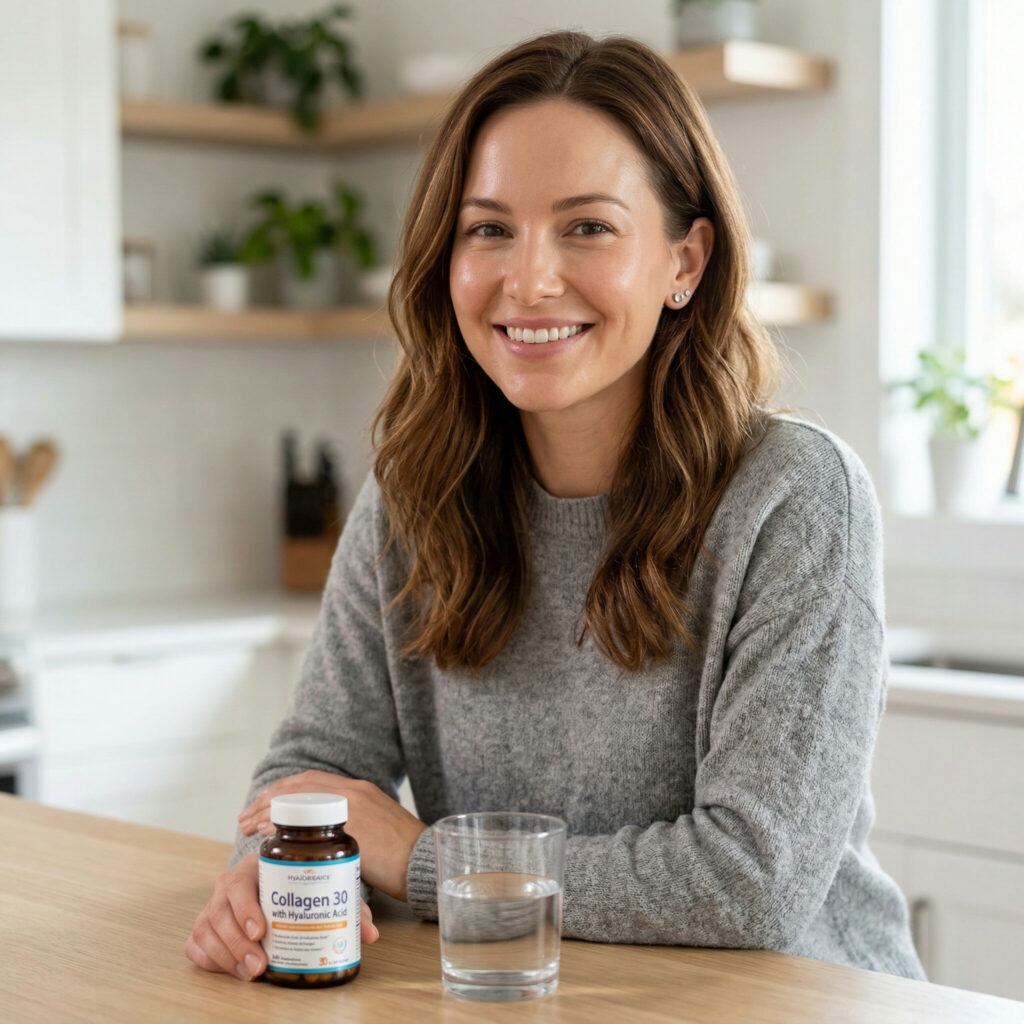
Hyaluronic acid complements collagen by acting like a moisture magnet in the skin. It can hold many times its weight in water, helping to keep the skin plump and well hydrated.

When you combine collagen with hyaluronic acid, you are supporting both the structure (collagen fibres) and the moisture content (water‑binding hyaluronic acid) of your skin at the same time.

This dual action may translate into skin that looks smoother, feels softer and appears more supple over time, especially when taken consistently for several weeks.

Several clinical studies on oral collagen have reported improvements in skin hydration, elasticity and wrinkle depth after 4–12 weeks of supplementation.

Some research has also tested combinations of collagen with other actives, including hyaluronic acid, and found favourable changes in dermis density, skin texture and wrinkle severity, although not all studies show additional benefit from hyaluronic acid beyond collagen alone.

Overall, the evidence suggests that a product like collagen 30 with hyaluronic acid can be a useful part of a long‑term skin‑care strategy, alongside sun protection and a healthy lifestyle.

2. Support for Joint Comfort and Mobility

Your joints contain collagen‑rich cartilage and hyaluronic‑acid‑rich joint fluid, both of which help bones glide smoothly over each other.

With age and wear‑and‑tear, these tissues can gradually break down, leading to stiffness, discomfort and reduced range of motion, especially in weight‑bearing joints such as knees, hips and lower back.

Because collagen and hyaluronic acid are natural components of joint structures, it makes sense that replenishing them through diet and supplements is of interest for joint health.

Oral collagen supplements have been studied for their potential to reduce activity‑related joint pain and improve function in people with joint discomfort and mild osteoarthritis.
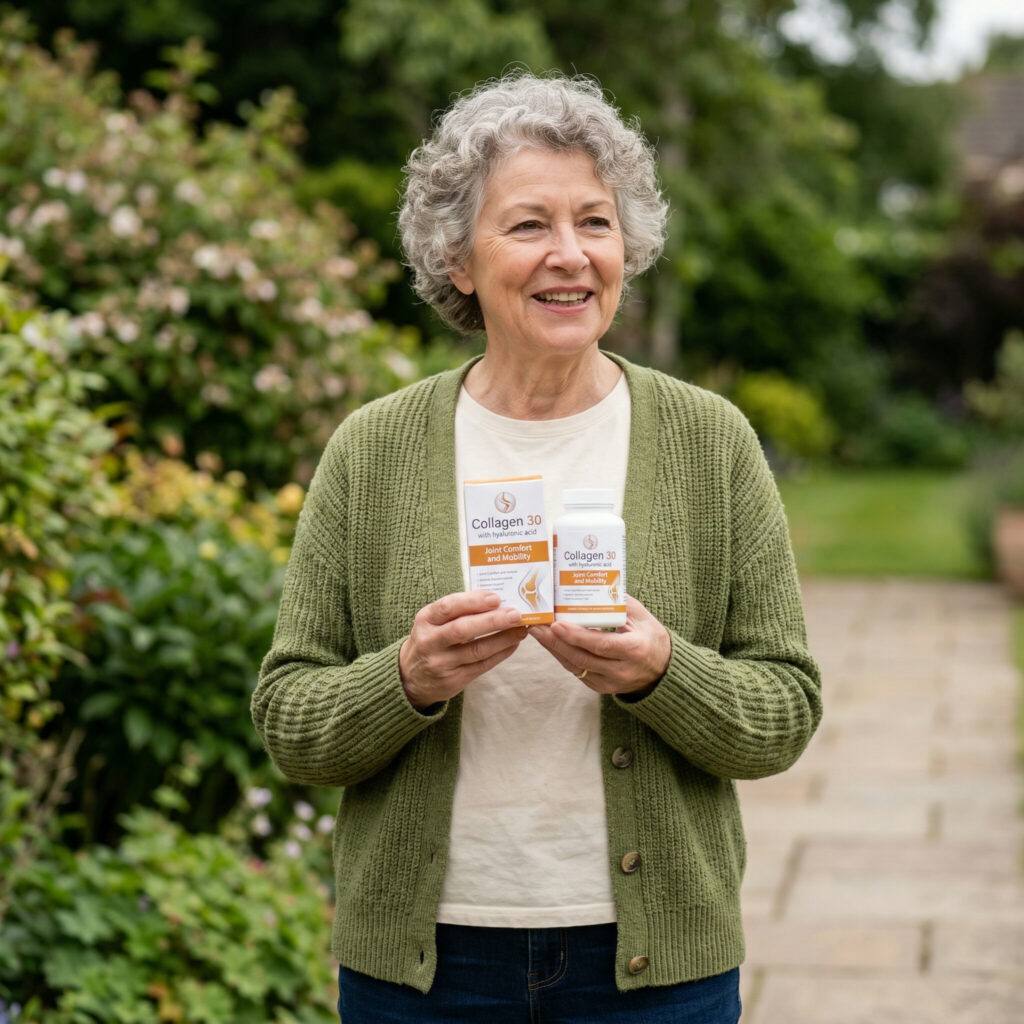
Some trials report reduced pain scores and improved mobility after several months of daily collagen peptide intake, while others show more modest results.

Hyaluronic acid, on the other hand, has long been used in joint injections for osteoarthritis, and oral hyaluronic acid supplements are being explored as a gentler, long‑term way to support joint lubrication and comfort.

When you take collagen 30 with hyaluronic acid, you are essentially supplying raw materials that your body can use to maintain cartilage and joint fluid.

While supplements cannot reverse advanced joint damage, they may contribute to better comfort during daily activities, especially when combined with appropriate exercise, weight management and medical treatment where necessary.

For many people, the goal is not a dramatic overnight change but a gradual improvement in stiffness, ease of movement and overall quality of life over months of consistent use.

3. Stronger Hair and Nails

Collagen is rich in amino acids that are important for building keratin, the main structural protein in hair and nails.

As we age, our hair can become thinner and more brittle, and nails may split or break more easily.

Providing an extra supply of collagen peptides through a supplement can support the body in maintaining the strength and resilience of these tissues.

Many users of collagen products report that their nails grow faster and break less frequently after several weeks of consistent supplementation, although individual results vary.

Hyaluronic acid contributes indirectly by supporting a well‑hydrated environment in the scalp and skin around the nails.

Well‑hydrated skin tends to be more resilient and less prone to dryness and flaking, which can impact both hair follicles and cuticles.

A formulation that combines collagen with hyaluronic acid therefore aims to support both the internal structure (via collagen) and the surrounding tissues and moisture balance (via hyaluronic acid).

While there are fewer large, controlled trials specifically measuring hair and nail outcomes than there are for skin hydration and wrinkles, existing cosmetic‑nutrition studies and user experience suggest that collagen‑based supplements can improve nail brittleness and contribute to healthier‑looking hair over time.

If your main concerns are thin hair or fragile nails, collagen 30 with hyaluronic acid is best seen as a supportive addition to a balanced diet, adequate protein intake and gentle hair and nail care, rather than a stand‑alone cure.

4. Bone Density and Overall Healthy Aging

Bones are not just made of minerals like calcium; they also contain a collagen matrix that gives them flexibility and resilience.

As collagen content in bones decreases with age, bones can become more brittle and susceptible to fractures, especially in older adults.

Some research suggests that collagen supplements may help support bone mineral density when taken alongside adequate calcium, vitamin D and other nutrients.

Hyaluronic acid also plays a role in the connective tissues around bones and joints, contributing to cushioning and shock absorption.

Although most public attention focuses on hyaluronic acid for skin beauty, its presence in joints and other tissues means that it may support comfortable movement and functional independence as we grow older.

A combination product like collagen 30 with hyaluronic acid therefore fits into a broader “healthy aging” strategy, targeting not only appearance but also structural support for bones and connective tissue.

It is important to note that supplements should not replace medical treatment for osteoporosis or serious joint disease.

Instead, they can complement a plan that includes weight‑bearing exercise, a nutrient‑dense diet, and any medications recommended by your healthcare professional.

For middle‑aged and older adults, the aim is often to maintain strength, mobility and independence for as long as possible, and collagen with hyaluronic acid can be one of several tools to help achieve that.

5. Convenience and Safety of a Once‑Daily Collagen 30

One practical advantage of a “collagen 30” style supplement is convenience.

Many clinical studies that showed benefits for skin or joints used daily dosing over periods of 4–12 weeks, so having a simple routine—such as one scoop of powder or a few capsules once a day—makes it easier to stay consistent.

Consistency is key, because collagen and hyaluronic acid work gradually as your body incorporates them into tissues over time.

Hydrolyzed collagen (collagen peptides) is generally considered safe for most healthy adults and is usually well tolerated, with few reported side effects in studies.

Hyaluronic acid supplements for skin and joint health also have a good safety profile when used at typical doses, though long‑term data are still developing.

People with specific allergies (for example, to fish, eggs or bovine sources) should check the ingredient list, as collagen can be derived from different animals, and anyone with chronic medical conditions should speak with a doctor before starting new supplements.

Because the supplement industry is not regulated as strictly as prescription medicine, quality varies between brands.

When choosing a collagen 30 with hyaluronic acid product, look for clear labelling of ingredient sources, clinically relevant doses, third‑party testing where available, and transparent customer reviews.

A high‑quality product taken once daily, combined with a healthy diet, sufficient water, sleep and sun protection, gives you the best chance of experiencing the potential benefits described above.

Where to Buy Collagen 30 with Hyaluronic Acid on Amazon

For readers who prefer the convenience of online shopping, collagen with hyaluronic acid supplements are widely available on Amazon.

You can search terms like “collagen peptides with hyaluronic acid”, “collagen 30 hyaluronic acid”, or “type I and III collagen with HA” to see a range of options.

When browsing products on Amazon, pay attention to the following points before adding anything to your cart:

  • Check the type and amount of collagen per serving (for example, 5–10 g of hydrolyzed collagen peptides) and the dose of hyaluronic acid.
  • Look for products with clear ingredient lists, allergen information, and, ideally, third‑party testing or quality certifications mentioned in the description.
  • Read a mix of recent reviews to understand how other users experience the taste, mixability, and perceived benefits, keeping in mind that individual results vary.

As always, remind your readers that supplements are not a replacement for medical treatment.

Encourage them to speak with their healthcare provider—especially if they have existing health conditions or take regular medications—before starting any new supplement, including collagen 30 with hyaluronic acid.

How To Lower Diastolic Blood Pressure Quickly

Lowering diastolic blood pressure quickly should be approached with caution and ideally under the guidance of a healthcare professional.

However, here are some immediate steps that might help:

  1. Deep Breathing: Practice slow, deep breathing to help relax your body and reduce stress, which can lower blood pressure.
  2. Hydration: Drink plenty of water to stay hydrated, as dehydration can sometimes lead to increased blood pressure.
  3. Reduce Sodium Intake: Avoid high-sodium foods and opt for low-sodium options to help decrease blood pressure.
  4. Limit Caffeine and Alcohol: Temporarily reduce or eliminate caffeine and alcohol consumption, as they can raise blood pressure.
  5. Relaxation Techniques: Engage in relaxation techniques such as meditation or yoga to help calm your mind and body.
  6. Physical Activity: A short walk or light exercise can help lower blood pressure, but avoid intense workouts if you’re not used to them.

If you experience significantly high blood pressure or symptoms like severe headache, chest pain, or shortness of breath, seek medical attention immediately.

Practice Deep Breathing Can Lower Blood Pressure

Practicing deep breathing can lower blood pressure by activating the body’s relaxation response, which counteracts stress and tension. Here’s how it works:

  • Activates the Parasympathetic Nervous System: Deep breathing stimulates the parasympathetic nervous system, which promotes relaxation and reduces the heart rate, leading to lower blood pressure.
  • Reduces Stress Hormones: Stress can trigger the release of hormones like adrenaline and cortisol, which increase heart rate and blood pressure. Deep breathing helps reduce these hormone levels.
  • Improves Oxygenation: By taking slow, deep breaths, you increase oxygen intake, which can help improve circulation and reduce the workload on the heart.
  • Enhances Mindfulness and Relaxation: Focusing on your breath can help calm the mind, reduce anxiety, and promote a sense of well-being, all of which contribute to lower blood pressure.
  • Balances Autonomic Nervous System: Deep breathing helps balance the autonomic nervous system, which regulates involuntary body functions, including blood pressure.

    Incorporating deep breathing exercises into your daily routine can be a simple yet effective way to support cardiovascular health.

    Stay Hydrated To Lower Blood Pressure

    Staying hydrated can help lower blood pressure through several mechanisms:

    • Maintains Blood Volume: Proper hydration ensures that blood volume is maintained, which helps the heart pump blood more efficiently and can prevent the body from compensating with increased blood pressure.
    • Reduces Blood Viscosity: Adequate water intake keeps the blood less viscous (thick), allowing it to flow more easily through blood vessels, reducing the pressure needed to circulate it.
    • Supports Kidney Function: Hydration aids the kidneys in filtering waste and excess sodium from the body. Lower sodium levels can help reduce blood pressure.
    • Balances Electrolytes: Proper hydration helps maintain a balance of electrolytes, such as sodium and potassium, which are crucial for regulating blood pressure.
    • Prevents Dehydration-Induced Stress: Dehydration can cause stress in the body, leading to the release of stress hormones like vasopressin, which can constrict blood vessels and raise blood pressure.

      By ensuring you drink enough water throughout the day, you can support these bodily functions and contribute to maintaining healthy blood pressure levels.

      Reduce Sodium Intake To Decrease Blood Pressure

      Reducing sodium intake can decrease blood pressure for several reasons:

      • Reduces Fluid Retention: Sodium causes the body to retain water. Excess fluid increases the volume of blood, which can raise blood pressure. By reducing sodium, you decrease fluid retention, helping to lower blood pressure.
      • Eases Blood Vessel Tension: High sodium levels can cause blood vessels to constrict, increasing resistance and pressure. Lowering sodium intake helps blood vessels relax and widen, reducing blood pressure.
      • Balances Electrolytes: Sodium and potassium work together to maintain fluid balance and blood pressure. Reducing sodium while maintaining or increasing potassium intake (through fruits and vegetables) can help regulate blood pressure more effectively.
      • Supports Heart Health: Lower sodium intake reduces the risk of developing hypertension, a major risk factor for heart disease and stroke. This supports overall cardiovascular health.
      • Improves Kidney Function: Excessive sodium can strain the kidneys, which regulate blood pressure by controlling fluid balance. Reducing sodium intake helps kidneys function more efficiently, aiding in blood pressure control.

        By cutting back on sodium, you can help manage blood pressure and reduce the risk of related health issues.

        What Kind Of Foods Contain High Sodium

        Foods high in sodium are often processed, packaged, or prepared with added salt. Here are some common examples:

        • Processed Meats: Bacon, ham, sausages, hot dogs, and deli meats often contain high levels of sodium for preservation and flavor.
        • Canned Soups and Vegetables: These often have added salt to enhance flavor and extend shelf life.
        • Snack Foods: Chips, pretzels, popcorn, and crackers are typically high in sodium.
        • Fast Food: Many fast food items, including burgers, fries, and fried chicken, are high in sodium due to seasoning and processing.
        • Cheese and Dairy Products: Certain cheeses and dairy products, like processed cheese and cottage cheese, can be high in sodium.
        • Sauces and Condiments: Soy sauce, ketchup, salad dressings, and other condiments often contain significant amounts of sodium.
        • Frozen Meals: Many frozen dinners and pizzas are high in sodium to enhance flavor and preserve the food.
        • Bread and Baked Goods: Some breads, rolls, and baked goods contain added salt.

          To manage sodium intake, it’s helpful to read nutrition labels, choose fresh or minimally processed foods, and use herbs and spices for flavoring instead of salt.

          Limit Caffeine And Alcohol Can Lower Blood Pressure

          Limiting caffeine and alcohol can help lower blood pressure for several reasons:

          • Caffeine’s Temporary Effect: Caffeine can cause a short-term spike in blood pressure by stimulating the cardiovascular system and increasing heart rate. Reducing caffeine intake can help prevent these temporary increases.
          • Alcohol’s Impact on Blood Pressure: Excessive alcohol consumption can lead to long-term increases in blood pressure. It can also interfere with the effectiveness of blood pressure medications. Limiting alcohol helps maintain healthier blood pressure levels.
          • Stress and Anxiety Reduction: Both caffeine and alcohol can contribute to increased stress and anxiety, which can raise blood pressure. Reducing intake can help promote relaxation and lower stress levels.
          • Improved Sleep Quality: Caffeine can disrupt sleep, and poor sleep is linked to higher blood pressure. Alcohol, while initially sedating, can also disrupt sleep patterns. Better sleep supports overall cardiovascular health.
          • Weight Management: Alcoholic beverages can be high in calories, contributing to weight gain, which is a risk factor for high blood pressure. Limiting alcohol can aid in maintaining a healthy weight.

            By moderating caffeine and alcohol consumption, you can support healthier blood pressure levels and overall cardiovascular health.

            Engage in relaxation techniques Helps Reducing Blood Pressure

            Engaging in relaxation techniques can help reduce blood pressure through several beneficial effects:

            • Activates the Relaxation Response: Techniques like meditation, yoga, and deep breathing activate the parasympathetic nervous system, which counteracts the stress response and helps lower heart rate and blood pressure.
            • Reduces Stress Hormones: Relaxation techniques decrease the production of stress hormones like cortisol and adrenaline, which can constrict blood vessels and raise blood pressure.
            • Improves Emotional Well-being: Regular practice of relaxation techniques can enhance mood and reduce anxiety, contributing to lower blood pressure by promoting a sense of calm and well-being.
            • Enhances Mindfulness: Techniques such as mindfulness meditation encourage present-moment awareness, helping individuals manage stress more effectively and prevent stress-related blood pressure spikes.
            • Promotes Better Sleep: Relaxation practices can improve sleep quality, and good sleep is essential for maintaining healthy blood pressure levels.
            • Encourages Healthy Lifestyle Choices: Engaging in relaxation techniques often leads to greater awareness of overall health, encouraging other positive lifestyle changes that support blood pressure management.

              Incorporating relaxation techniques into your daily routine can be a powerful way to support cardiovascular health and manage blood pressure.

              Physical Activity Can Help Lower Blood Pressure

              Physical activity can help lower blood pressure through several key mechanisms:

              • Strengthens the Heart: Regular exercise strengthens the heart muscle, enabling it to pump blood more efficiently with less effort. This reduces the force on your arteries, lowering blood pressure.
              • Improves Blood Vessel Function: Physical activity enhances the flexibility and function of blood vessels, allowing them to dilate more easily and reduce resistance, which helps lower blood pressure.
              • Aids Weight Management: Exercise helps burn calories and maintain a healthy weight. Excess weight is a risk factor for high blood pressure, so managing weight through physical activity can help control it.
              • Reduces Stress: Physical activity releases endorphins, which are natural mood lifters. This can reduce stress and anxiety, both of which can contribute to high blood pressure.
              • Balances Hormones: Regular exercise helps regulate hormones that control blood pressure, such as insulin and adrenaline, contributing to overall cardiovascular health.
              • Improves Sleep: Engaging in regular physical activity can enhance sleep quality, which is important for maintaining healthy blood pressure levels.

                Incorporating regular physical activity into your routine, such as walking, jogging, cycling, or swimming, can be an effective way to manage and lower blood pressure.

                Final Thoughts

                Incorporating these lifestyle changes can create a powerful impact on your heart health and significantly reduce your blood pressure.

                By cutting back on sodium and consciously limiting caffeine and alcohol, you’re taking crucial steps to alleviate strain on your cardiovascular system.

                Pairing these dietary adjustments with engaging relaxation techniques and regular physical activity not only fosters a calmer mind but also bolsters your heart’s efficiency and resilience.

                These simple yet effective strategies can quickly lower your blood pressure, ultimately decreasing your risk of heart attacks and enhancing your overall well-being.

                Embrace these changes as a commitment to a healthier, more vibrant life, and feel empowered knowing that every small step brings you closer to optimal heart health.

                Frequently Asked Questions

                1. How does reducing sodium intake help lower blood pressure?


                Reducing sodium intake is crucial because high sodium levels cause the body to retain water, increasing blood volume and putting extra pressure on blood vessels.

                By lowering sodium consumption, you can significantly reduce this strain, leading to lower blood pressure.

                Opt for fresh, whole foods and read nutrition labels to avoid hidden sodium in processed items.

                2. What kinds of exercises are most effective for lowering blood pressure?


                Cardiovascular exercises such as walking, jogging, cycling, and swimming are highly effective for lowering blood pressure.

                These activities boost heart health by improving circulation, enhancing blood vessel flexibility, and helping with weight management.

                Aim for at least 150 minutes of moderate aerobic exercise per week, and consider incorporating strength training to further support cardiovascular fitness.

                3. How do relaxation techniques contribute to reducing blood pressure?

                Relaxation techniques, like meditation, deep breathing, and yoga, activate the body’s relaxation response, which lowers stress hormone levels and decreases heart rate.

                This leads to a reduction in blood pressure.

                Regular practice of these techniques can enhance emotional well-being and help maintain long-term cardiovascular health by preventing stress-induced blood pressure spikes.

                4. Should I completely avoid caffeine and alcohol to manage my blood pressure?

                It’s not necessary to completely eliminate caffeine and alcohol, but moderation is key.

                Caffeine can cause temporary blood pressure spikes, so limit intake to moderate levels and monitor your body’s response.

                For alcohol, stick to recommended guidelines—up to one drink per day for women and two for men—to prevent long-term blood pressure increases and ensure alcohol does not interfere with any medications.

                5. How quickly can lifestyle changes impact my blood pressure and reduce the risk of heart attacks?


                The impact of lifestyle changes on blood pressure can vary, but many people notice improvements within a few weeks of adopting healthier habits.

                By consistently reducing sodium, moderating caffeine and alcohol, engaging in regular exercise, and practicing relaxation techniques, you can lower your blood pressure and reduce your risk of heart attacks.

                Commitment to these changes enhances overall well-being and supports long-term heart health.